In the world of modern agriculture, the quest to improve livestock nutrition is a cornerstone of successful and sustainable farming practices. Livestock nutrition not only influences the health and well-being of animals but also impacts the efficiency and profitability of livestock production. One essential tool that has emerged to address these challenges is the strategic use of feed additives.
Understanding Feed Additives:
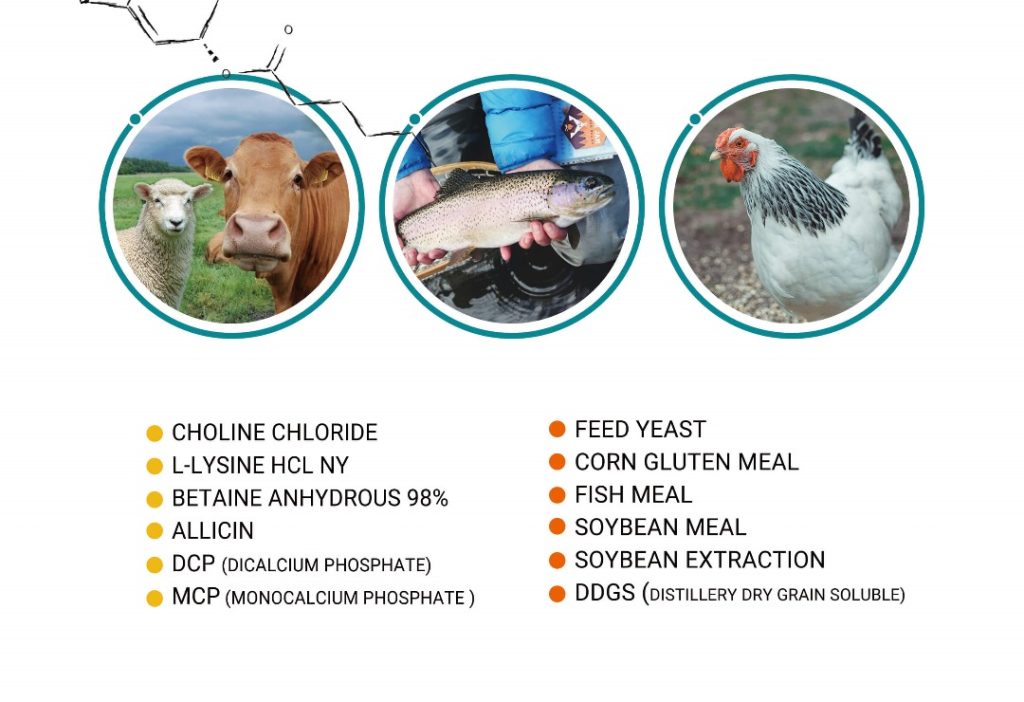
Feed additives are substances incorporated into animal feed to enhance its nutritional value, improve animal health, and optimize production outcomes. These additives come in various forms, each serving a specific purpose in the pursuit of better livestock nutrition. Let’s delve into the multifaceted roles that feed additives play in the world of agriculture.
1. Nutrient Enhancement
At the core of livestock nutrition lies the need to provide animals with a balanced diet. Feed additives help ensure that animals receive all the essential nutrients they require. These additives can include vitamins, minerals, amino acids, and other vital elements, filling nutritional gaps in their diets and promoting healthy growth and development.
2. Growth Promotion
In the past, antibiotics known as antibiotic growth promoters (AGPs) were used to accelerate livestock growth. However, concerns about antibiotic resistance have led to the exploration of alternative growth-promoting additives. Probiotics, prebiotics, and enzymes now play a vital role in improving feed efficiency and promoting faster growth by enhancing nutrient digestion and absorption in the gastrointestinal tract
3. Health and Disease Prevention
Maintaining animal health is paramount in livestock farming. Feed additives, including responsible antibiotic use, vaccines, and immune stimulants, aid in preventing and controlling diseases. Healthy animals are more likely to grow and produce efficiently, reducing the need for therapeutic treatments.
4. Antioxidants
Livestock face oxidative stress, which can damage their cells. Antioxidants, such as vitamin E and selenium, serve as protective shields, safeguarding animal cells from oxidative harm and ensuring overall health and performance, especially under stressful conditions.
5. Aflatoxin Binders
Contaminated feed can contain harmful mycotoxins like aflatoxins. Aflatoxin binders are feed additives that help adsorb these toxins, preventing their absorption in the digestive tract and safeguarding livestock from harm.
6. Feed Preservation
To extend the shelf life of feed and prevent spoilage, mold inhibitors and feed acidifiers are incorporated. This not only ensures feed safety but also maintains its nutritional value.
7. Stress Reduction
Livestock often face stress during transportation, weaning, or other significant events. Stress-reducing additives, like electrolytes and adaptogens, help animals cope with these challenges, maintaining their health and performance.
8. Improved Reproduction
Certain feed additives, like specific fatty acids and trace minerals, can boost reproductive performance in livestock, increasing fertility and improving breeding outcomes.
9. Environmental Impact Reduction
In an era of heightened environmental awareness, feed additives can also play a role in reducing the ecological footprint of livestock farming. Enzymes, for instance, enhance the digestibility of plant-based ingredients, reducing the overall amount of feed required per unit of production and thereby lowering greenhouse gas emissions.
10. Economic Efficiency
Ultimately, feed additives contribute to the economic efficiency of livestock production. By improving growth rates, feed conversion efficiency, and overall health, they enable farmers to achieve better returns on their investments.
Conclusion
Feed additives have emerged as valuable tools in the pursuit of enhanced livestock nutrition and sustainable farming practices. Their roles span from filling nutritional gaps to promoting growth, preventing disease, reducing stress, and improving overall production efficiency. However, it’s essential to use these additives judiciously, based on sound scientific research and in adherence to regulatory guidelines, ensuring the welfare of animals, food safety, and environmental sustainability. As consumer preferences evolve, and markets demand more natural or organic products, the role of feed additives in livestock nutrition may continue to adapt and evolve as well.